Japanese macaque
Macaca fuscata
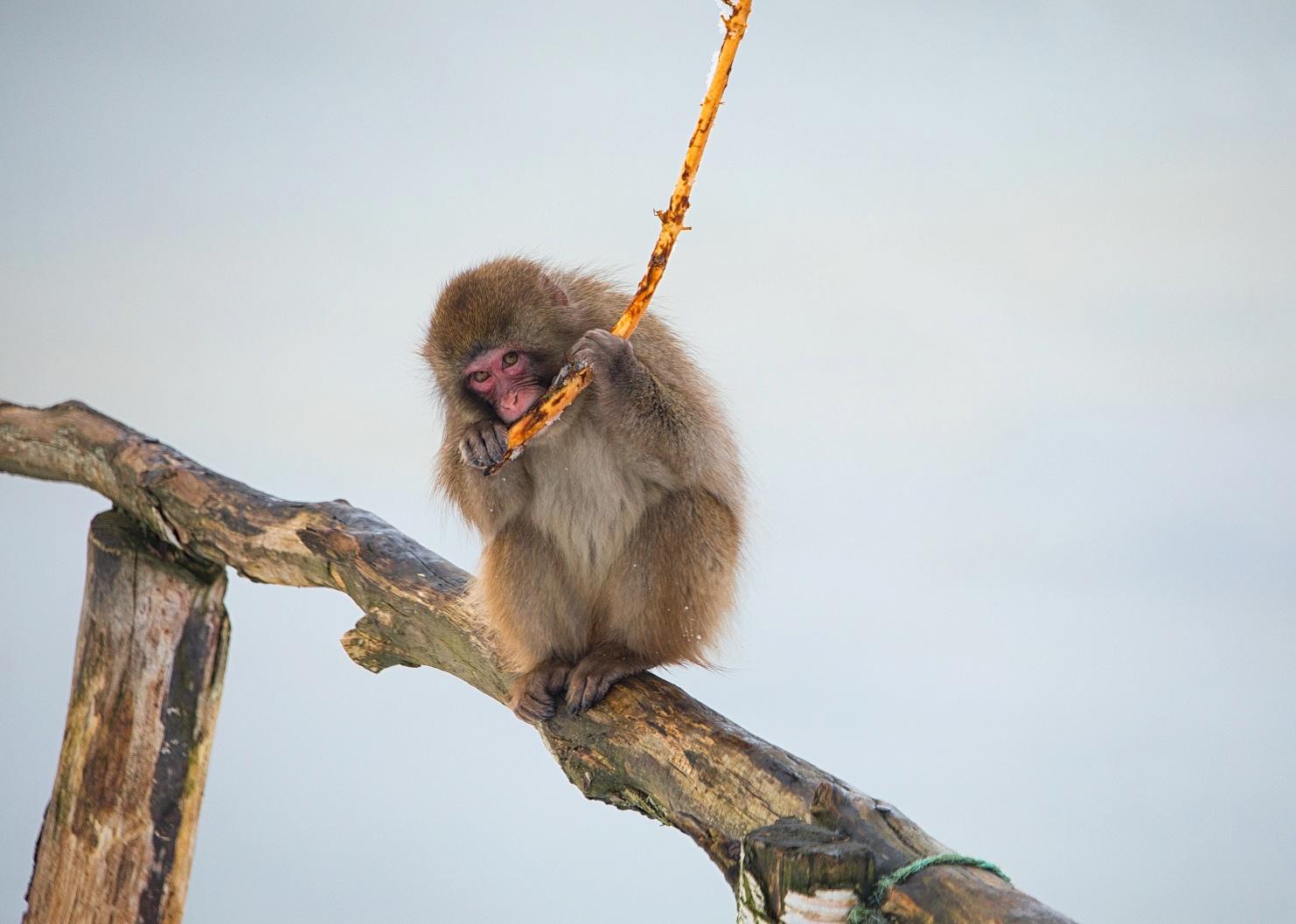
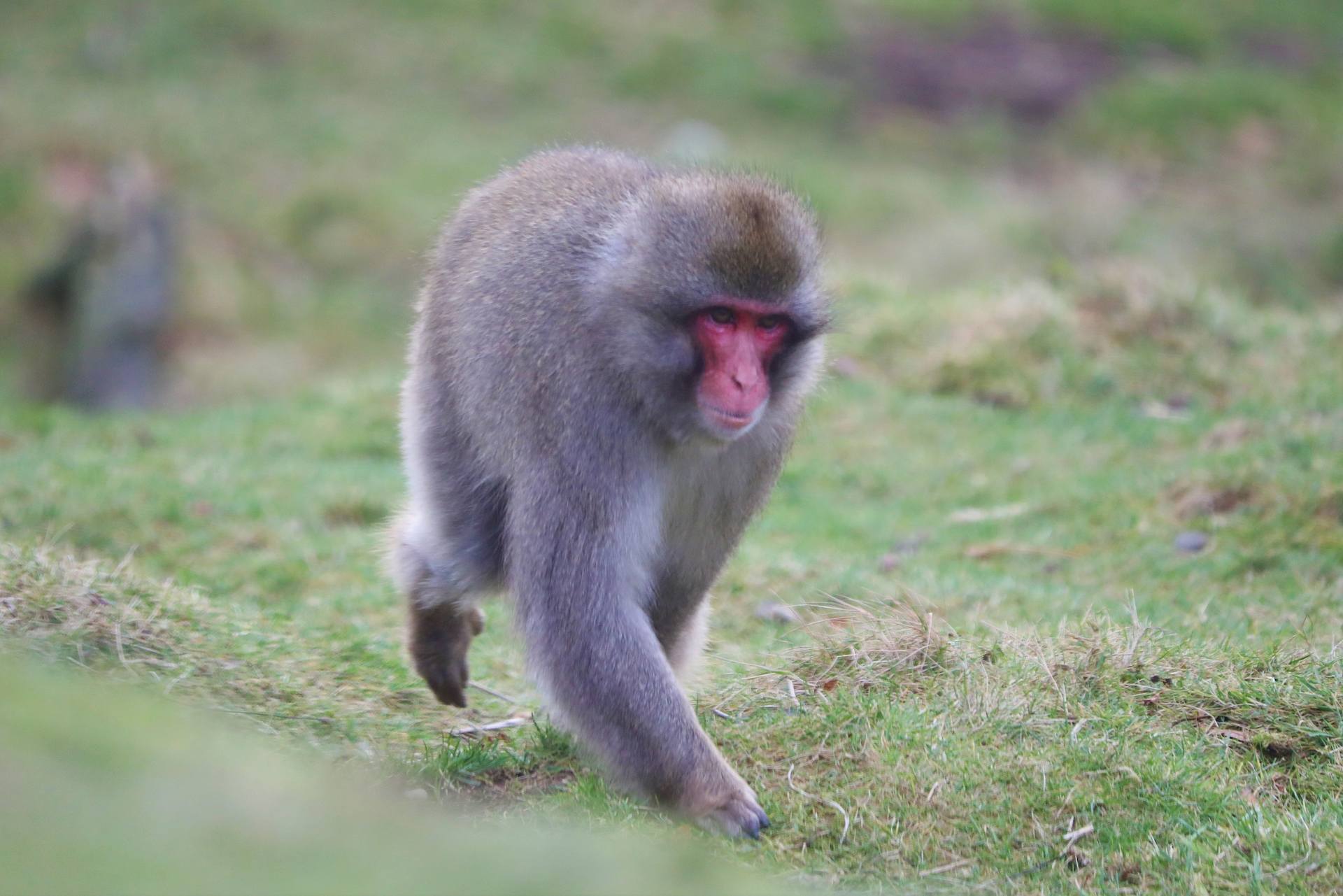
We have a small group of Japanese macaques at the zoo, including Honshu, Ken, Kirrin, and Katana.
Japanese macaques are sometimes called snow monkeys. They live in big groups called troops, which have a strict social order.
Male macaques often compete for rank, and alpha males can gain high status and more chances to mate. But they don’t always stay in charge for long because other males are often challenging them.
Female macaques live in more stable groups. Social rank is usually passed down from mother to daughter.
These monkeys eat lots of different foods. Mostly they eat fruits, berries, seeds, flowers and young leaves. They will also eat insects, bird eggs and sometimes small animals. Being able to eat so many things helps them live in lots of habitats.
Some Japanese macaques even live in snowy mountains, where they are famous for relaxing in hot springs and playing in the snow!
Population

Stable
Diet

Omnivore
Habitat

Forest
Fact file
The Japanese macaque or snow monkey is the most northerly living non-human primate
They are the subject of many Buddhist stories and are represented in the Three Wise Monkeys maxim 'see no evil, hear no evil, speak no evil'
They live in large social groups known as troops, which have a strict dominance hierarchy. A young female macaque will inherit her mother’s rank
Latest Japanese macaque news
View all news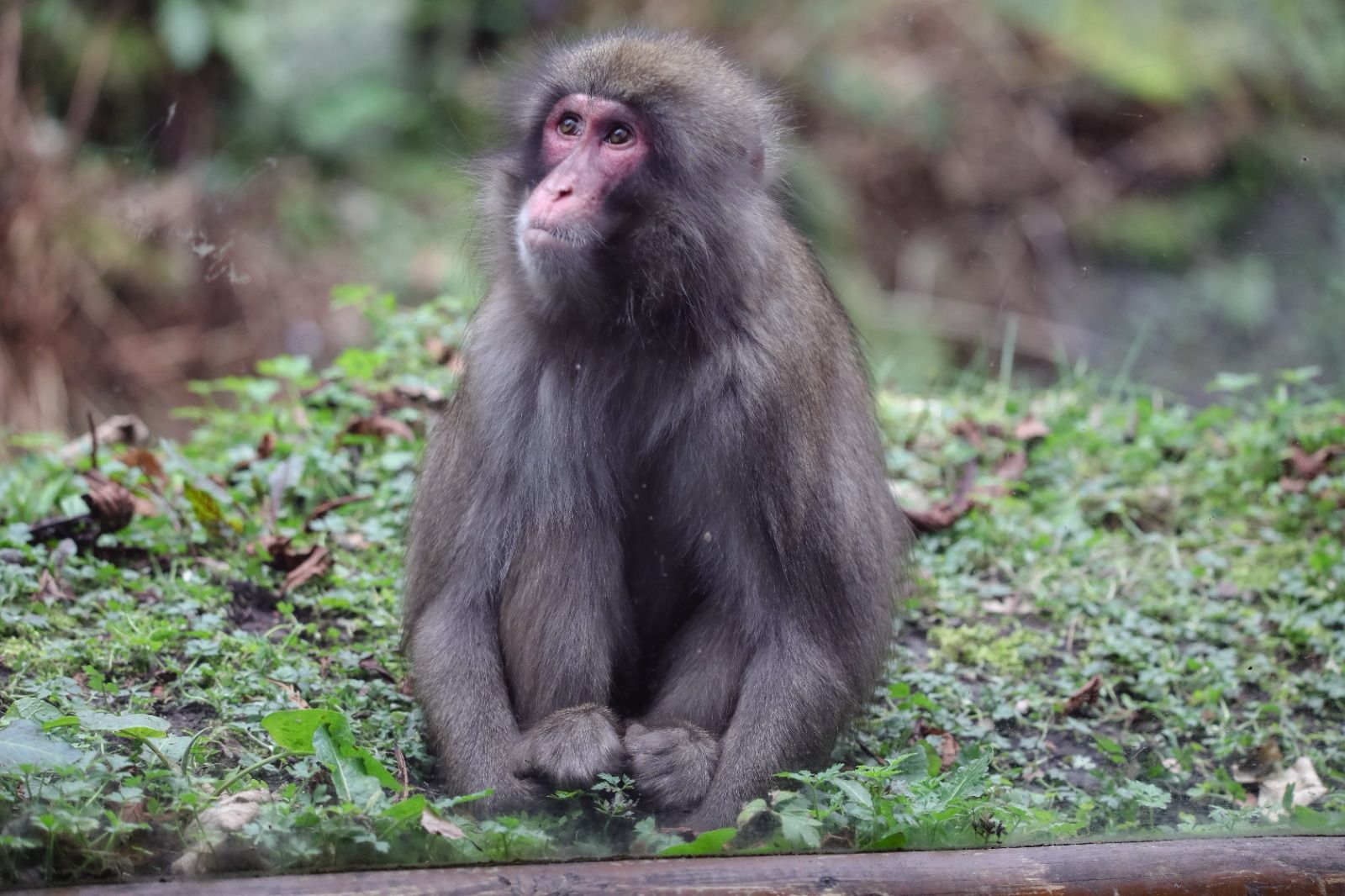
29 Feb 2024
Two minute read
How we're helping
Like all the animals in our care, our Japanese macaques are amazing ambassadors for their relatives in the wild and help hundreds of thousands of people connect with nature every year. They encourage visitors to learn about the threats facing wildlife and the action they can take to help create a world where nature is protected, valued, and loved.
As a wildlife conservation charity, we care for the animals here at the zoo and work to protect species at risk around the world. From providing expertise in genetics and veterinary health to protecting wild places with local conservation partners, and even restoring threatened species to the wild, we are active where we are needed most.
Find out more about?RZSS conservation