Cotton-top tamarin
Saguinus oedipus
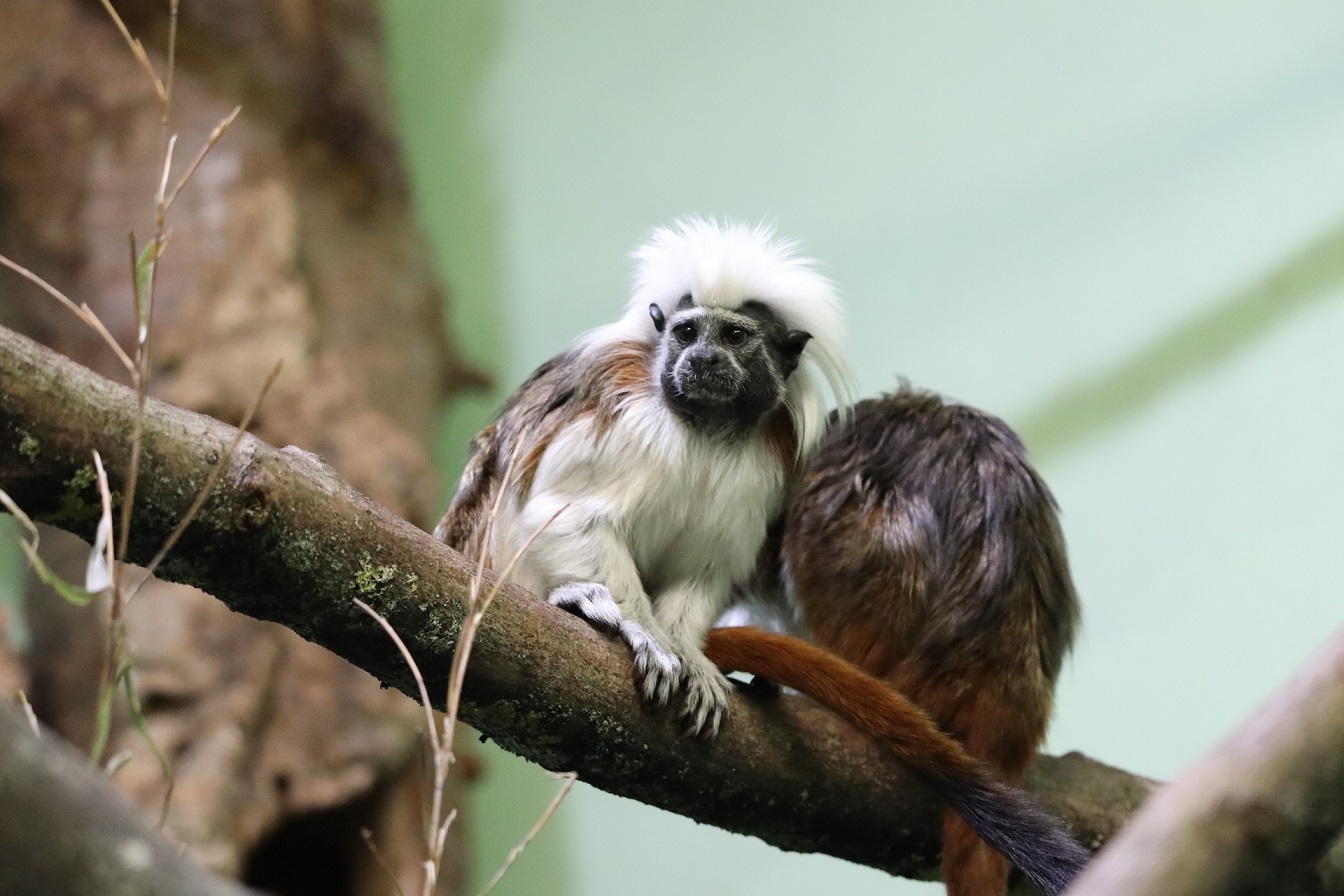
We have three cotton-top tamarins at the zoo: Elf, Zecca and their child Swift, who was born in June 2024.
Cotton-top tamarins come from northern Colombia in South America. They live in tropical forests with lots of trees and thick plants on the ground.
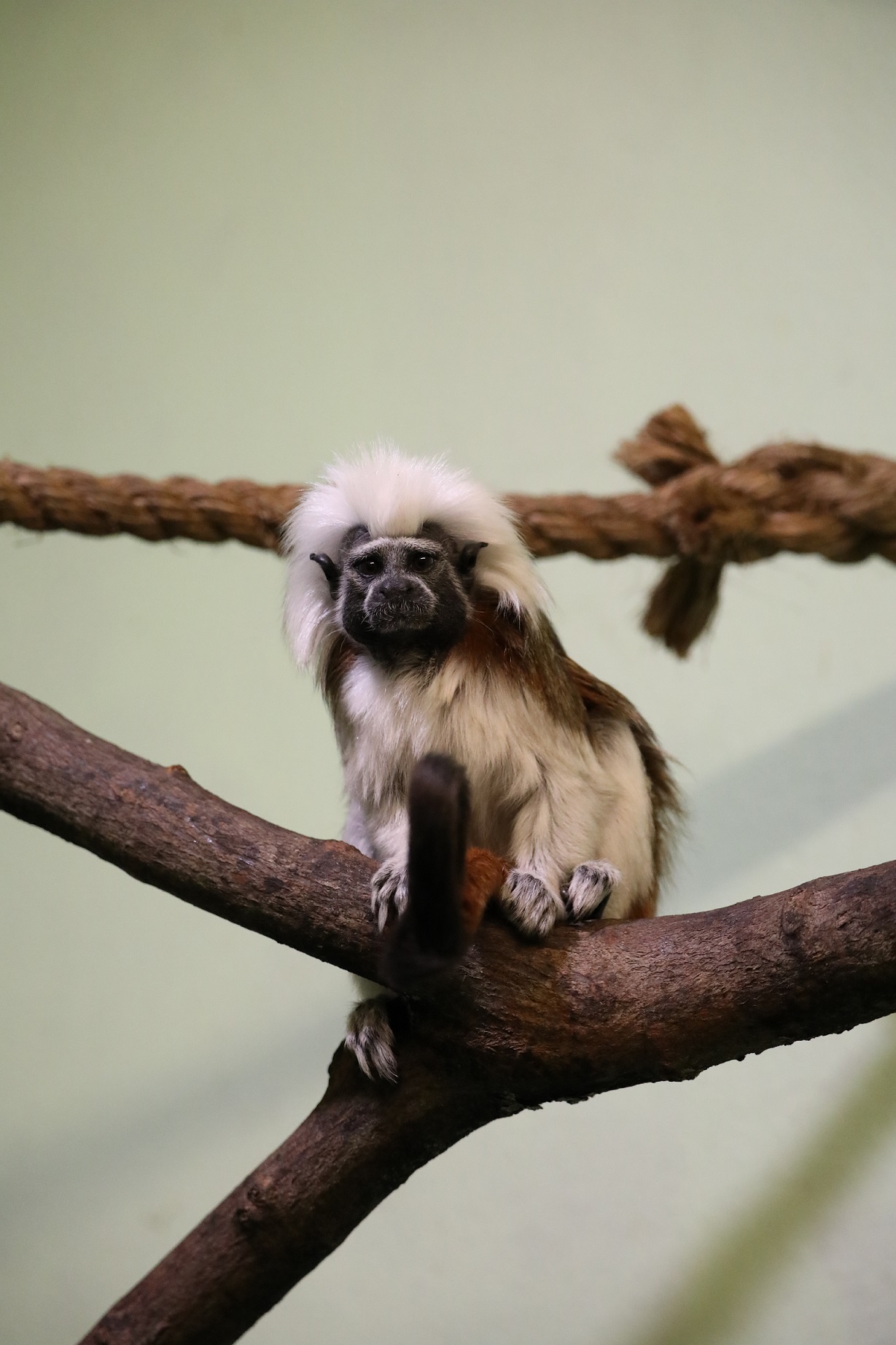
These monkeys about the size of a squirrel and are famous for the fluffy white hair on the tops of their heads. The rest of their body is dark brown, grey and black.
Cotton-top tamarins are one of the world’s most endangered primates. There are only about 2,000 left in the wild. They are in danger because of deforestation and the illegal pet trade.
Population

Decreasing
Diet

Omnivore
Habitat

Rainforest
Fact file
Cotton-top tamarins live in family units of two to nine individuals
Disproportionately heavy when born, tamarin babies weigh between 15-20% of their mother's weight
They get the water they need by licking leaves that are wet with rain or dew
Latest cotton-top tamarin news
View all news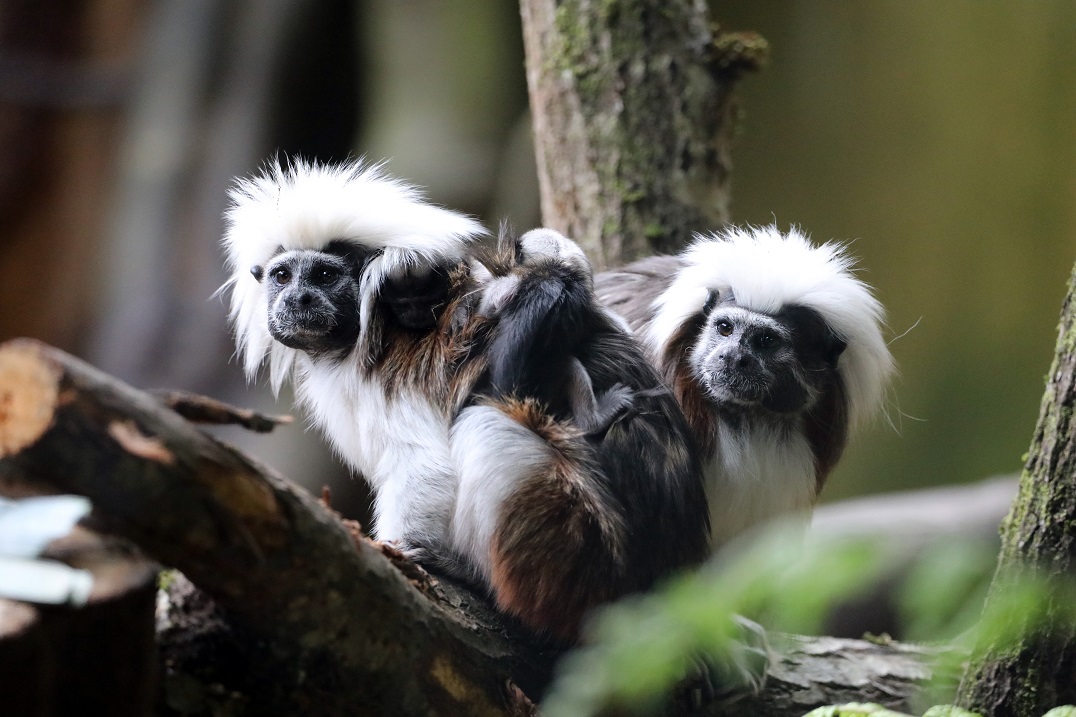
06 Jun 2024
Three minute read
How we're helping
Like all the animals in our care, our cotton-top tamarins are amazing ambassadors for their relatives in the wild and help hundreds of thousands of people connect with nature every year. They encourage visitors to learn about the threats facing wildlife and the action they can take to help create a world where nature is protected, valued, and loved.
As a wildlife conservation charity, we care for the animals here at the zoo and work to protect species at risk around the world. From providing expertise in genetics and veterinary health, to protecting wild places with local conservation partners, and even restoring threatened species to the wild, we are active where we are needed most.
Find out more about RZSS conservation