East African crowned crane
Balearica regulorum gibbericeps
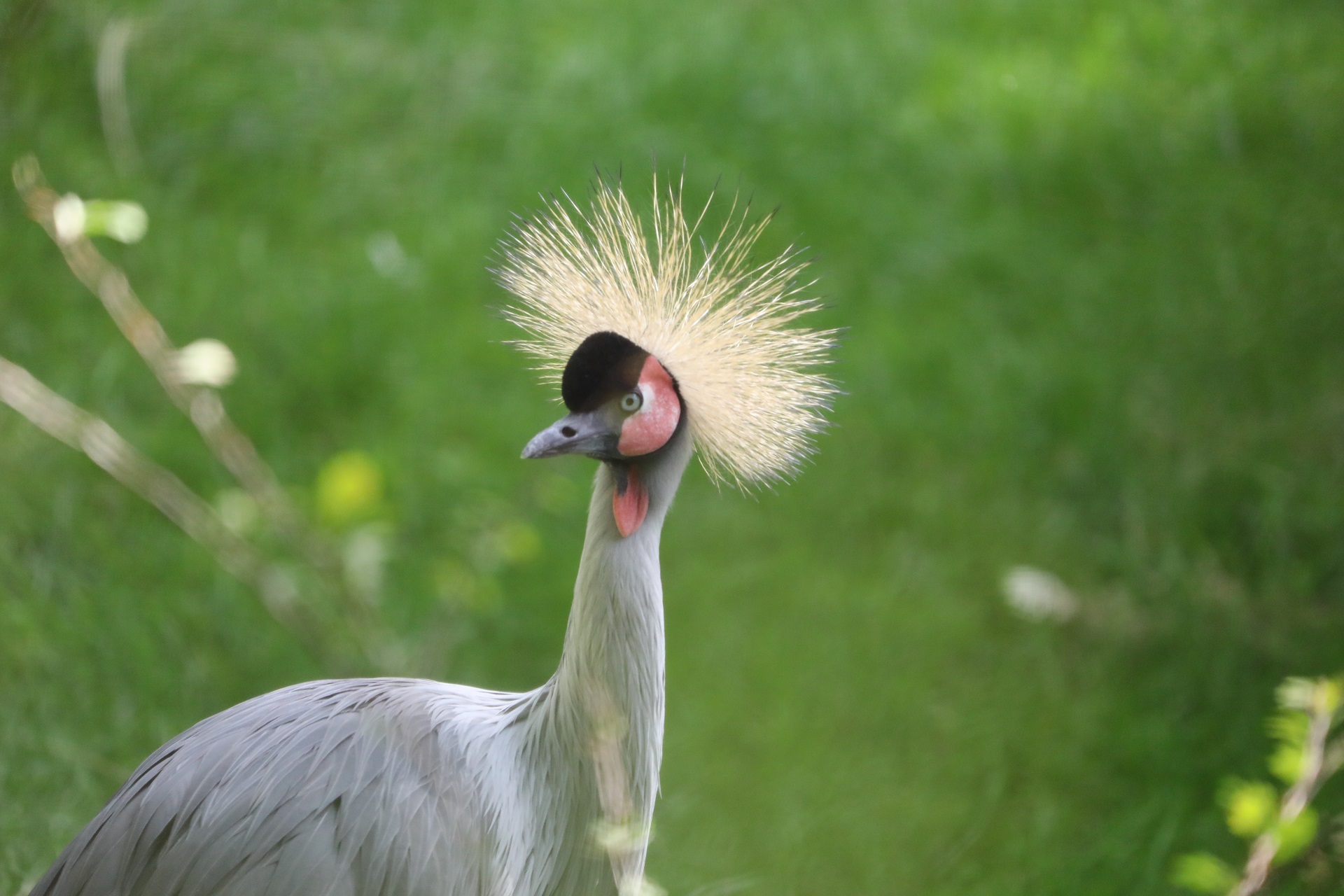
We have three East African crowned cranes at the zoo - Eleanor, Edward and their daughter Neema, who was born in 2025.
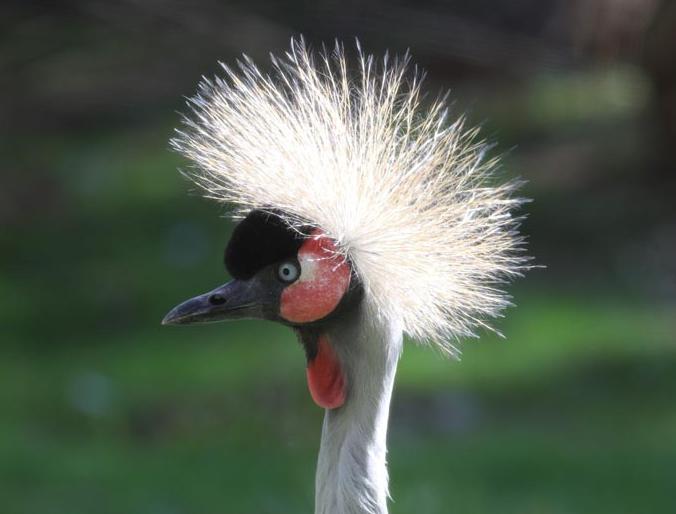
You can recognise these birds by the stiff, golden feathers on top of their heads. They are famous for their fancy courtship dances, which include bowing, jumping and flapping their wings.
East African crowned cranes are classified as Endangered. Their numbers are falling because wetlands are disappearing.
Population

Decreasing
Diet

Omnivore
Habitat

Grasslands
Fact file
East African crowned cranes stand at over a metre tall, with males generally being larger than females
Unlike other species of cranes, crowned cranes will usually roost in trees
They can flock in large numbers, from 30 to 150 cranes at a time
How we're helping
Like all the animals in our care Eleanor and Edward are amazing ambassadors for their relatives in the wild and help hundreds of thousands of people connect with nature every year. They encourage visitors to learn about the threats facing wildlife and the action they can take to help create a world where nature is protected, valued and loved.
As a wildlife conservation charity, we care for the animals here at the zoo and work to protect species at risk around the world. From providing expertise in genetics and veterinary health, to protecting wild places with local conservation partners, and even restoring threatened species to the wild, we are active where we are needed most.
Find out more about RZSS conservation