Przewalski's wild horse
Equus caballus przewalskii
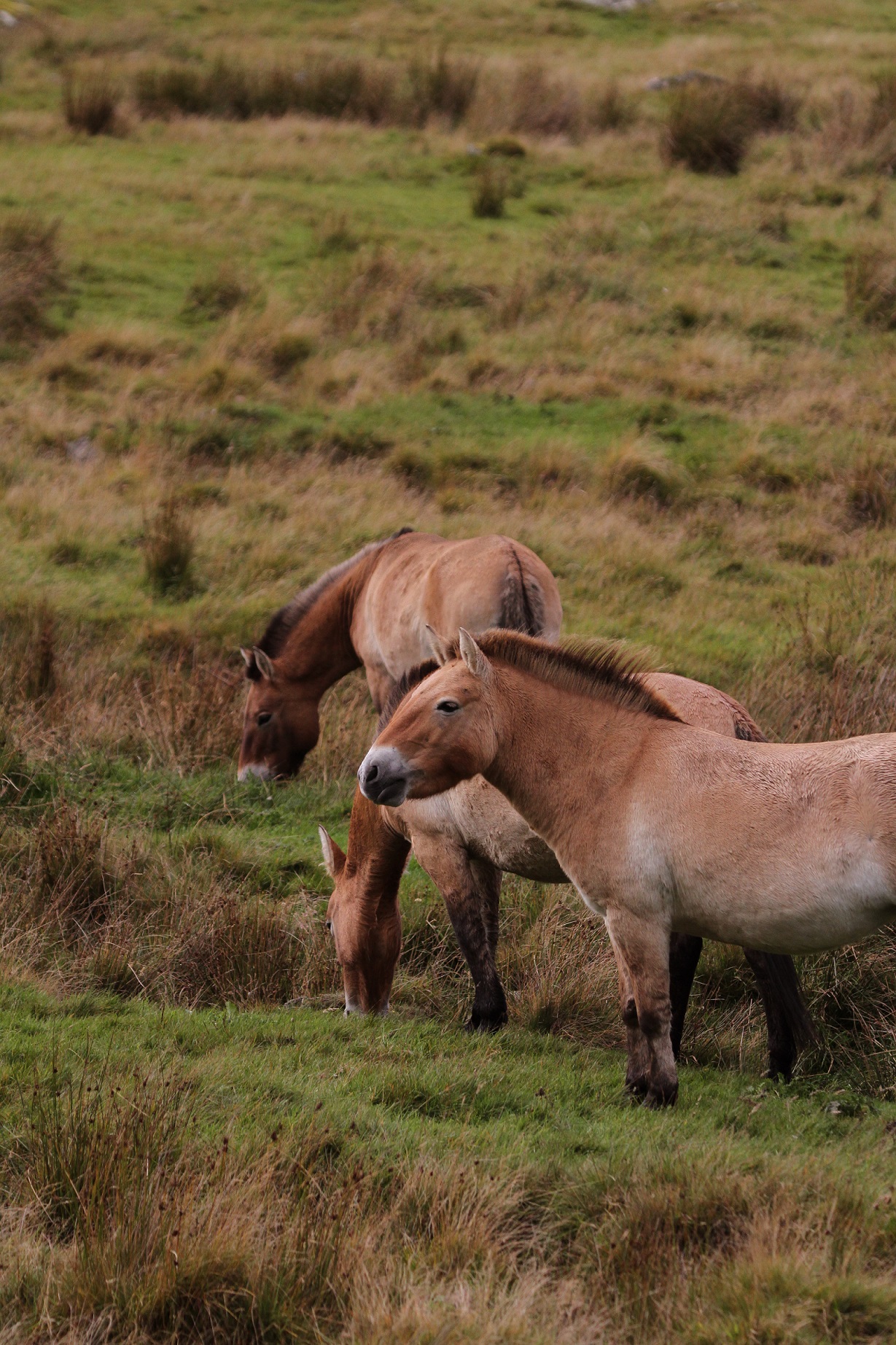
We have two takhi, also known as Przewalski's wild horses, here at Edinburgh Zoo - Och and Tomor.
They arrived from Highland Wildlife Park in August 2021 and can live on the way up to the giraffe house.
Takhi hold a unique place as the last wild horse species. They are not descended from domestic horses, unlike feral horses such as mustangs.
They are shorter and stockier than many horses. They have thick necks, large heads and a short upright mane. They also have a distinctive black dorsal stripe running along their back to their tail. In the winter, their coat thickens to keep them warm.
Takhi were once extinct in the wild. The last few horses lived in zoos, where people carefully managed them to keep a healthy population. In the 1990s, conservation programmes started reintroducing them back into their natural homes.
Bringing these horses back to the wild is a big success for conservation. But they still face challenges, such as competition for food.
Population

Increasing
IUCN August 2018
Diet

Herbivore
Habitat

Desert
Fact file
The name Przewalski is commonly pronounced 'Shuh-val-skee'
The only true living wild horse
Most of their time is spent foraging as their preferred food of grasses and other plants have a low nutritional content
They live in harem groups led by a dominant stallion, often containing between five and 15 horses
Foals are able to stand as soon as one hour after birth
.jpg)
How we're helping
Like all the animals in our care our Przewalski's wild horses are amazing ambassadors for their relatives in the wild and help hundreds of thousands of people connect with nature every year. They encourage visitors to learn about the threats facing wildlife and the action they can take to help create a world where nature is protected, valued and loved.
As a wildlife conservation charity, we care for the animals here at the zoo and work to protect species at risk around the world. From providing expertise in genetics and veterinary health, to protecting wild places with local conservation partners, and even restoring threatened species to the wild, we are active where we are needed most.
Find out more about RZSS conservation