Grevy's zebra
Equus grevyi
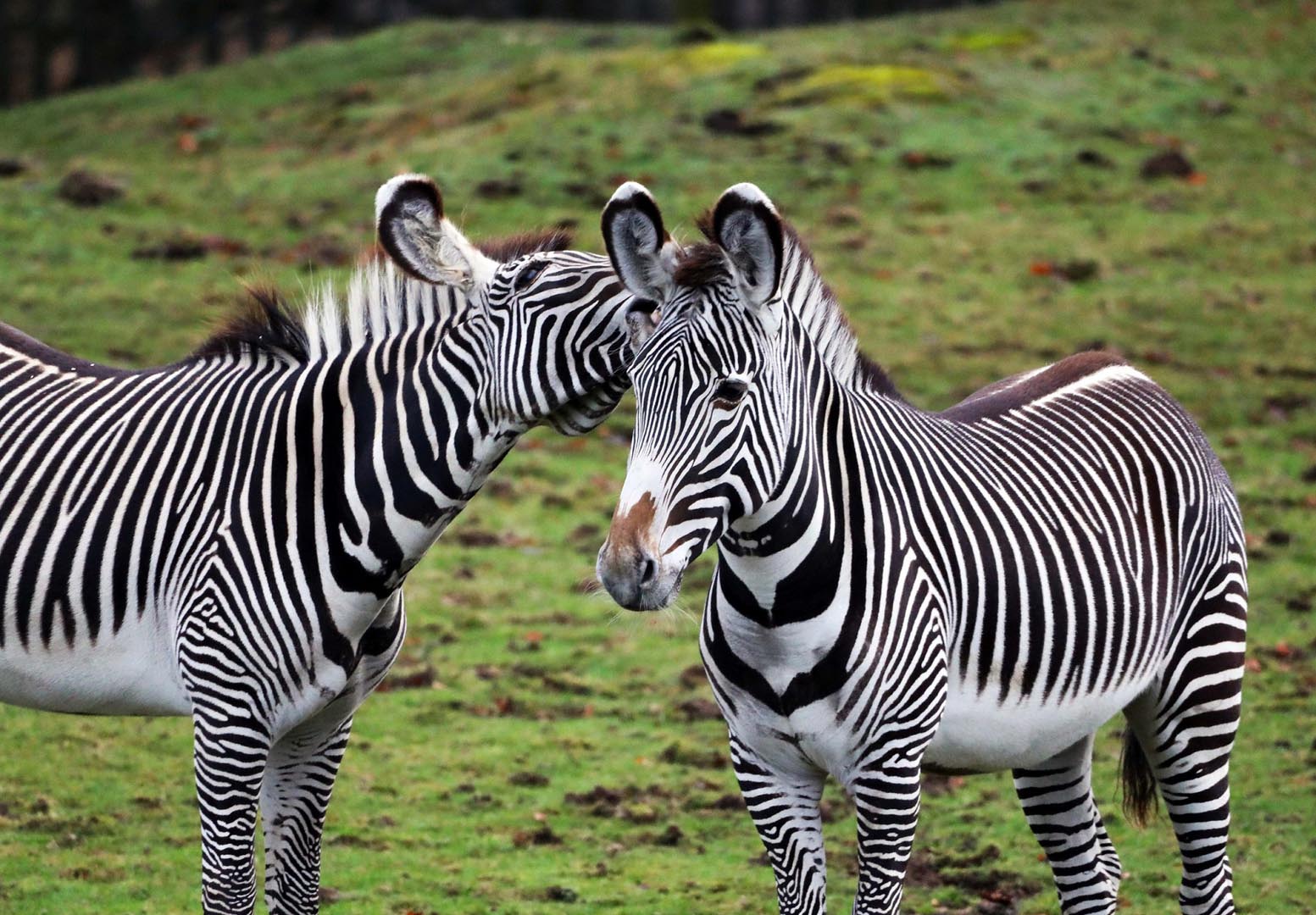
There are two Grevy’s zebras here at Edinburgh Zoo – Azizi and Grace.
Grace was born in 2018 and came to us in 2021, and Azizi was born in 2019 and joined us in 2022.
Grevy’s zebras are the largest and most striking of all zebra species. They are famous for their narrow, black-and-white stripes and big, rounded ears that make them look extra alert and curious.
Unlike other zebras, Grevy’s zebras are more solitary and have a territorial system. Males defend small areas with water and grazing patches, while females and foals move freely between territories. They are highly social, though, and will gather in loose herds when food or water is plentiful.
Sadly, Grevy’s zebras are classified as Endangered. Fewer than 3,000 left in the wild due to habitat loss, competition with livestock and hunting. Conservation efforts are helping protect their rivers, lakes and grazing areas.
Population

Stable
Diet

Herbivore
Habitat

Grasslands
Fact file
Grevy's zebras can go five days without drinking water
It takes new foals just six minutes to stand for the first time and they can run after 45 minutes
Fully grown Grevy's zebras sport around 80 stripes and their stripes are much narrower than those of the plains zebra
Grevy’s zebra are the largest of the zebra family and, as a result, are preferred by both predators and human hunters alike
Latest Grevy's zebra news
View all news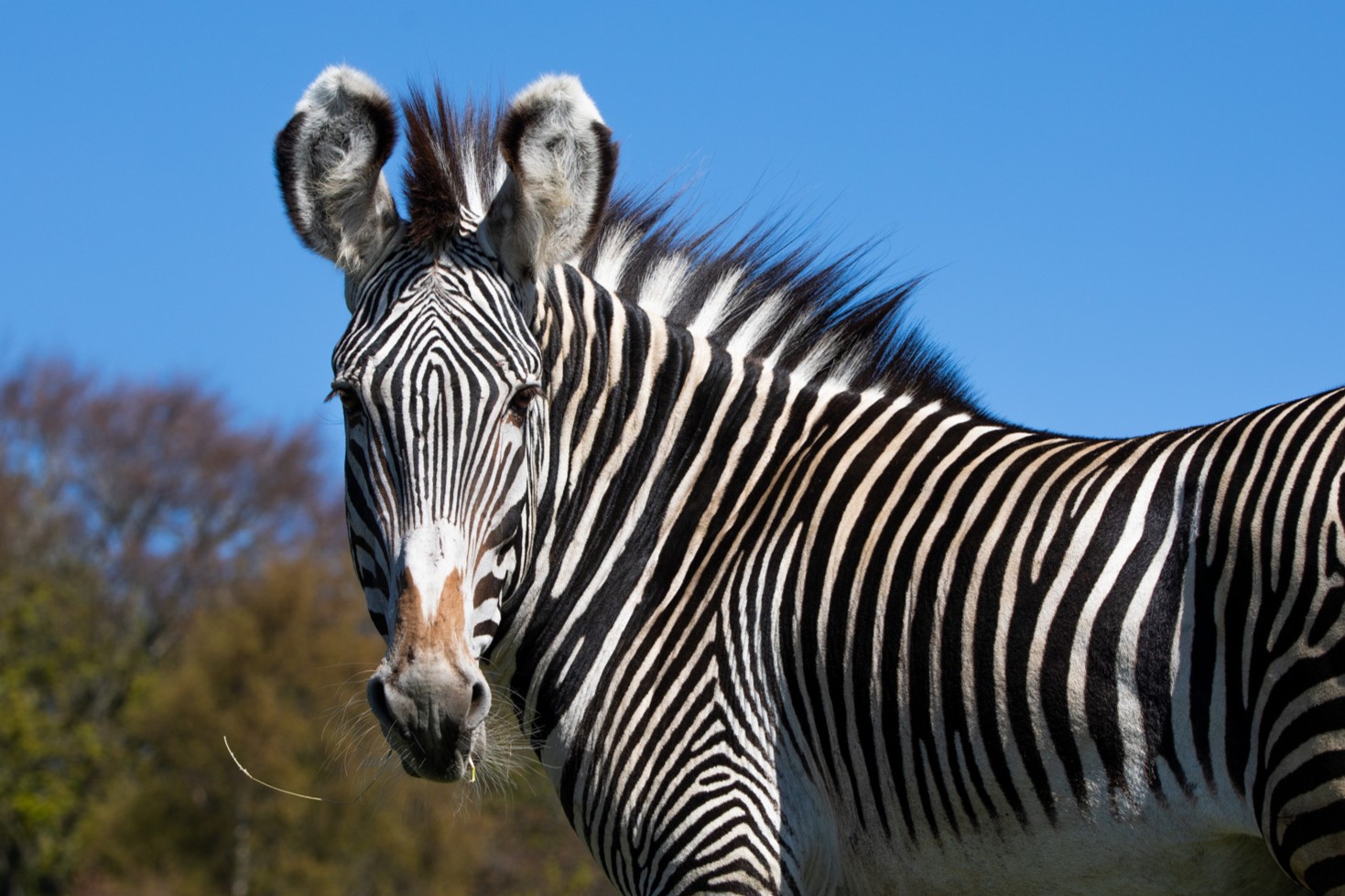
27 Apr 2026
One minute read
 oberon (right)_rlf.jpeg)
07 Oct 2024
One minute read
![Grevy's zebra looking to the right [portrait] IMAGE: Amy Middleton 2023](https://images.rzss.org.uk/media/Edinburgh_Zoo/EZ_animals/Grevy's_zebra/grevy's zebra 3.jpg)
How we're helping
Like all the animals in our care, Azizi and Grace are amazing ambassadors for their relatives in the wild and help hundreds of thousands of people connect with nature every year. They encourage visitors to learn about the threats facing wildlife and the action they can take to help create a world where nature is protected, valued and loved.
As a wildlife conservation charity, we care for the animals here at the zoo and work to protect species at risk around the world. From providing expertise in genetics and veterinary health, to protecting wild places with local conservation partners, and even restoring threatened species to the wild, we are active where we are needed most.
Find out more about RZSS conservation