Pallas's cat
Otocolobus manul
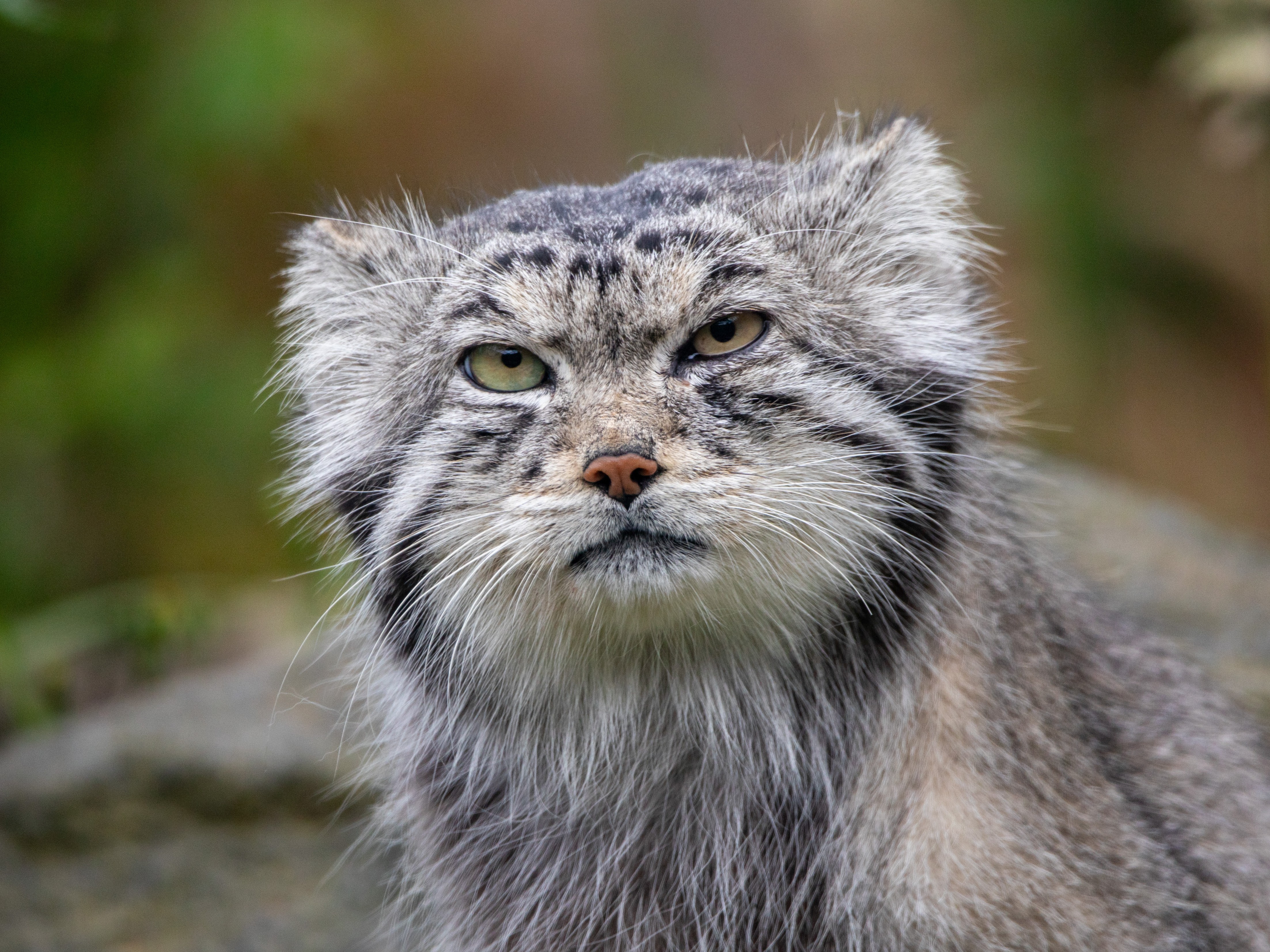
We are home to two Pallas's cats: a male named Akiko and our Duchess our female.
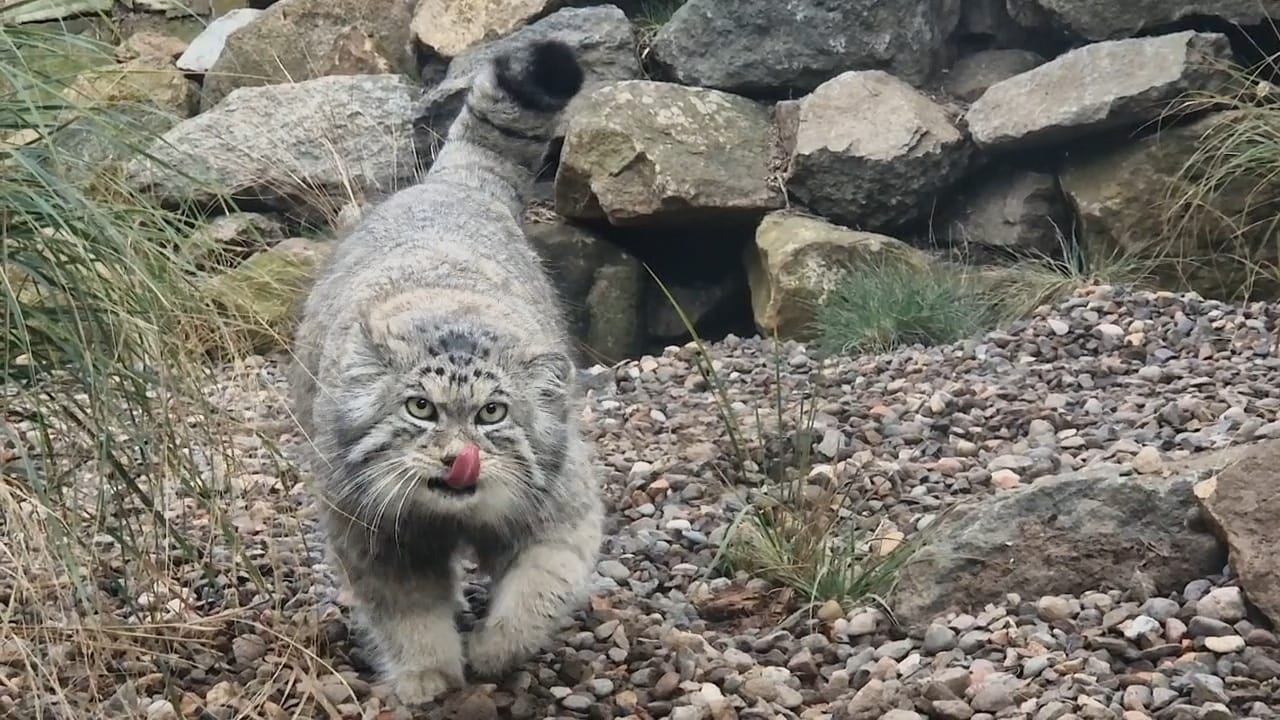
Pallas’s cats, or manuls, are about the size of a domestic cat. Their thick fur makes them appear larger. It provides great insulation from the harsh conditions they live in.
If they look grumpy to see you, don’t take offence! Pallas’s cats always have a sulky facial expression. It’s partly caused by their eyes having round pupils rather than slits like all other small cats. This earned them the ‘original grumpy cat’ nickname.
They call large areas of the remote steppes and mountains of Central Asia.
This species faces many dangers. Their homes are being lost to farming and building, and their favourite prey is disappearing.
Because they are shy and live in remote areas, it’s hard for scientists to study them. In fact, they are one of the least-known wild cat species in the world.
Population

Decreasing
Diet

Carnivore
Habitat

Mountains
Fact file
They are crepuscular, meaning they're most active during dawn and dusk
Pallas's cats are carnivores and eat mainly small rodents, including gerbils, voles, hamsters, pikas and small marmots. They will also eat small lizards and birds
They are known to keep their paws warm by standing on their own tail
Pallas’s Cats were discovered in the 18th century by Peter Pallas
Latest Pallas's cat news
View all news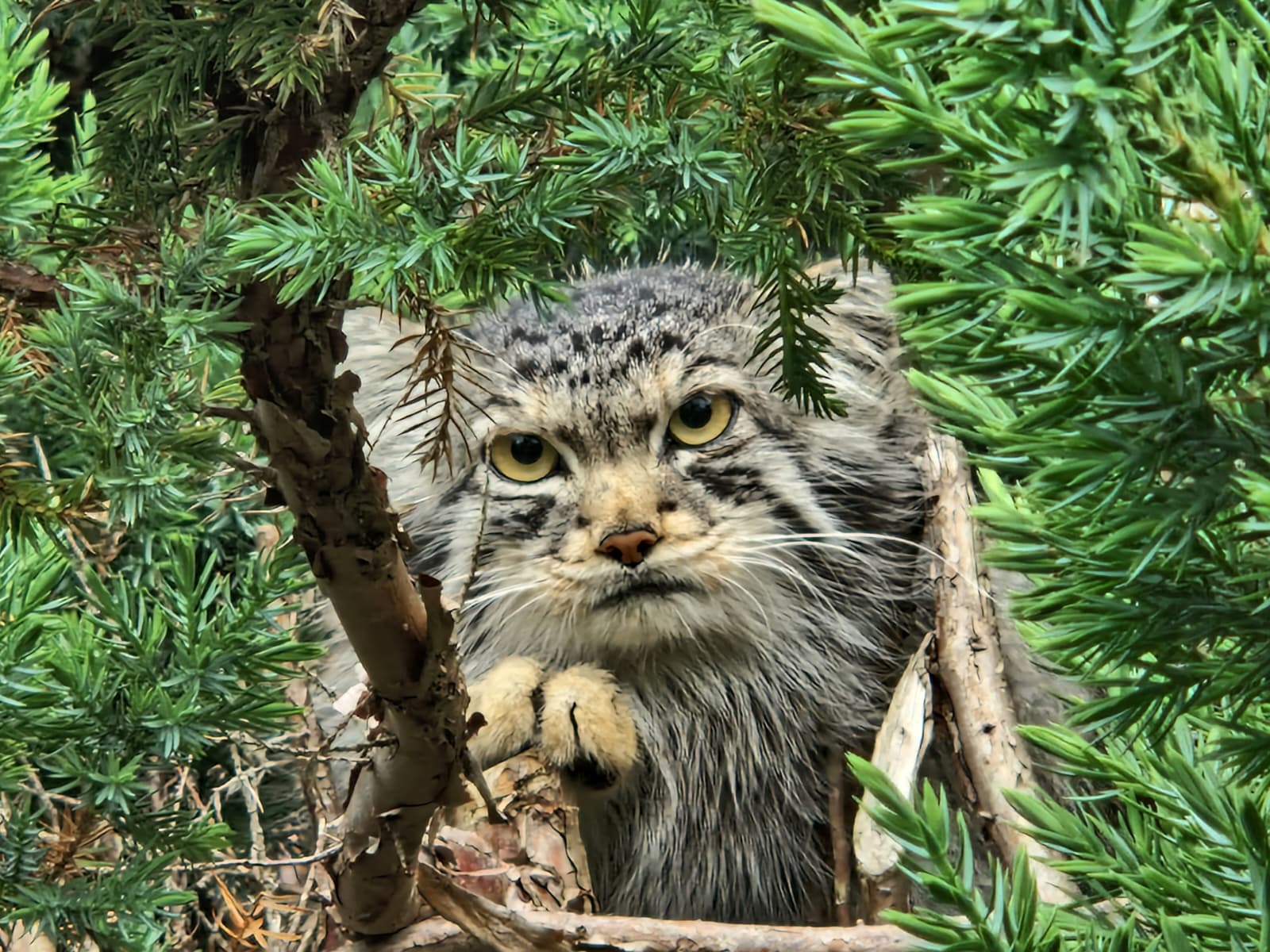
29 Jun 2026
Pallas's cat
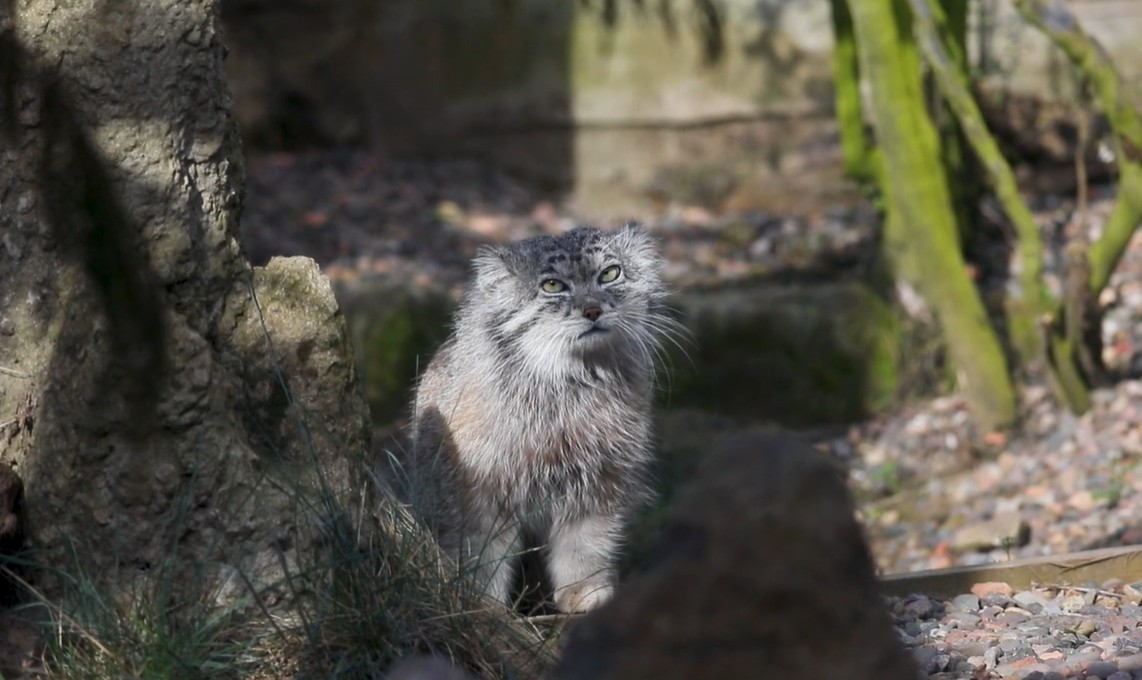
22 Apr 2026
One minute read
08 Oct 2024
/pallascat_3_jp.jpg)
How we're helping
As a wildlife conservation charity, we care for the animals here at the zoo and work to protect species at risk around the world. From providing expertise in genetics and veterinary health, to protecting wild places with local conservation partners, and even restoring threatened species to the wild, we are active where we are needed most.
RZSS has been working in close partnership with Nordens Ark, Snow Leopard Trust and many other organisations to enhance global conservation efforts for Pallas's cats since 2016 as part of PICA, the Pallas’s cat International Conservation Alliance. Building local capacity, supporting dedicated research, raising awareness, strategic planning and boosting international collaboration are all at the core of the project.
Find out more about Pallas's cat conservation