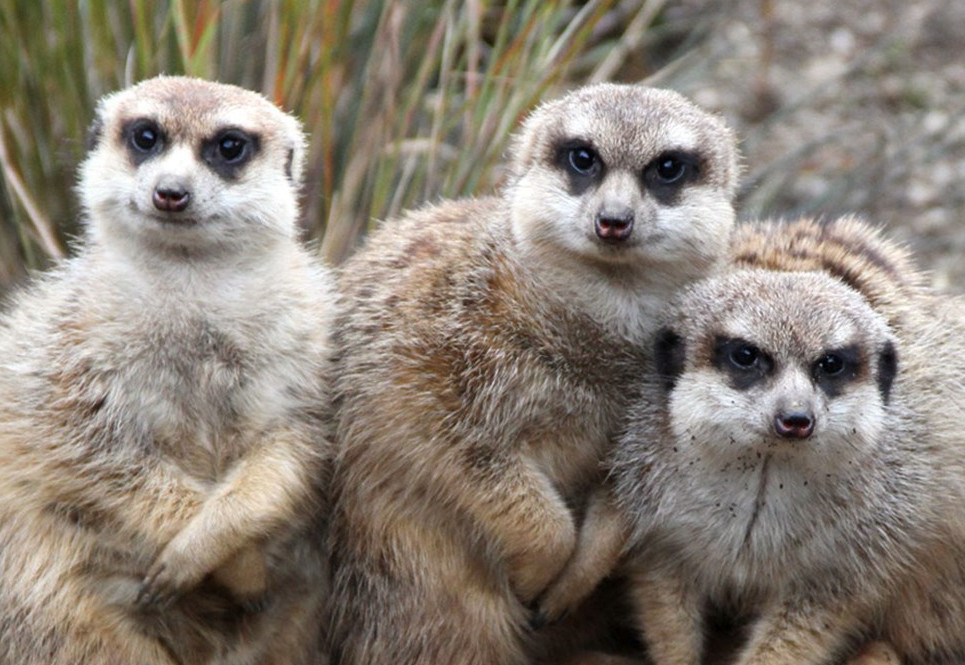
Capybara
Hydrochoerus hydrochaeris
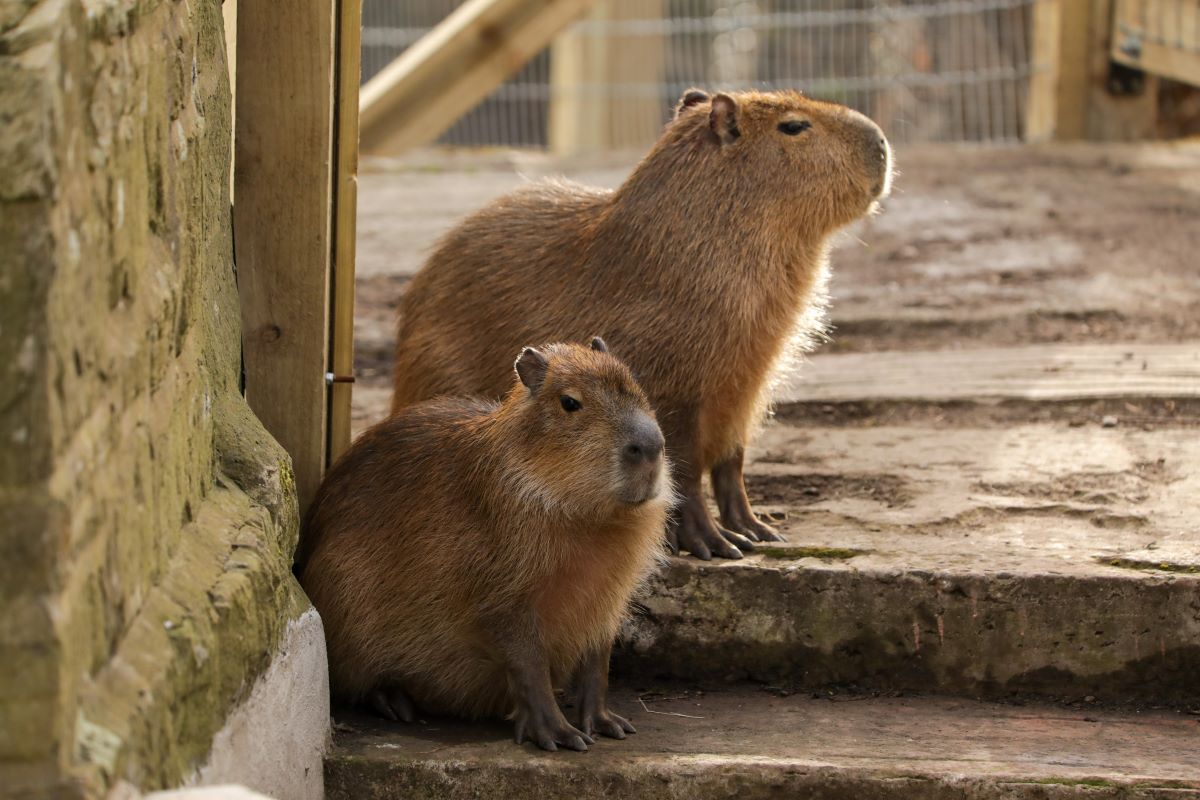
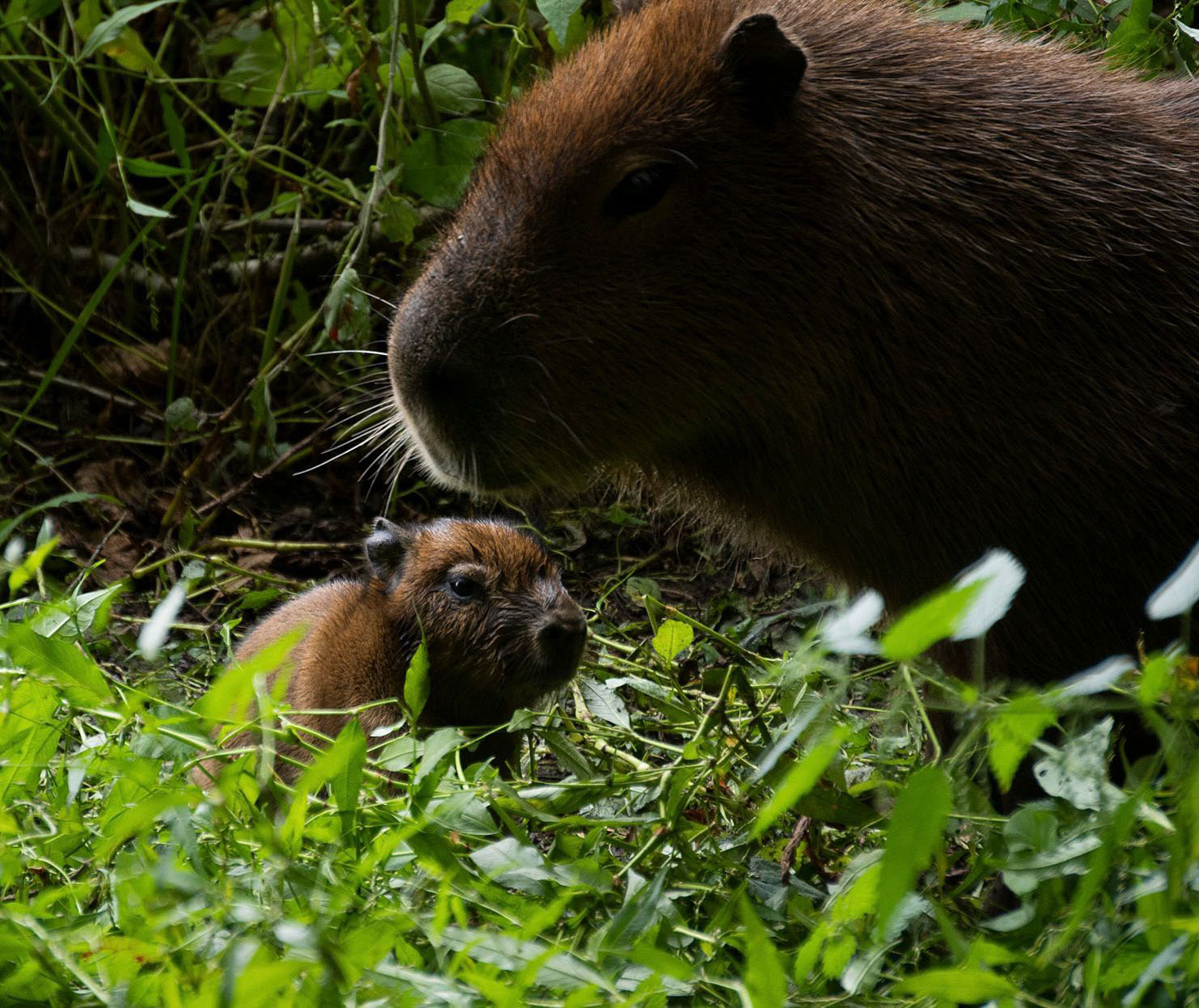
We now have four capybaras at the zoo - Cali, Rodney, Luna and pup Bru - the first to be born in Scotland in 18 years!
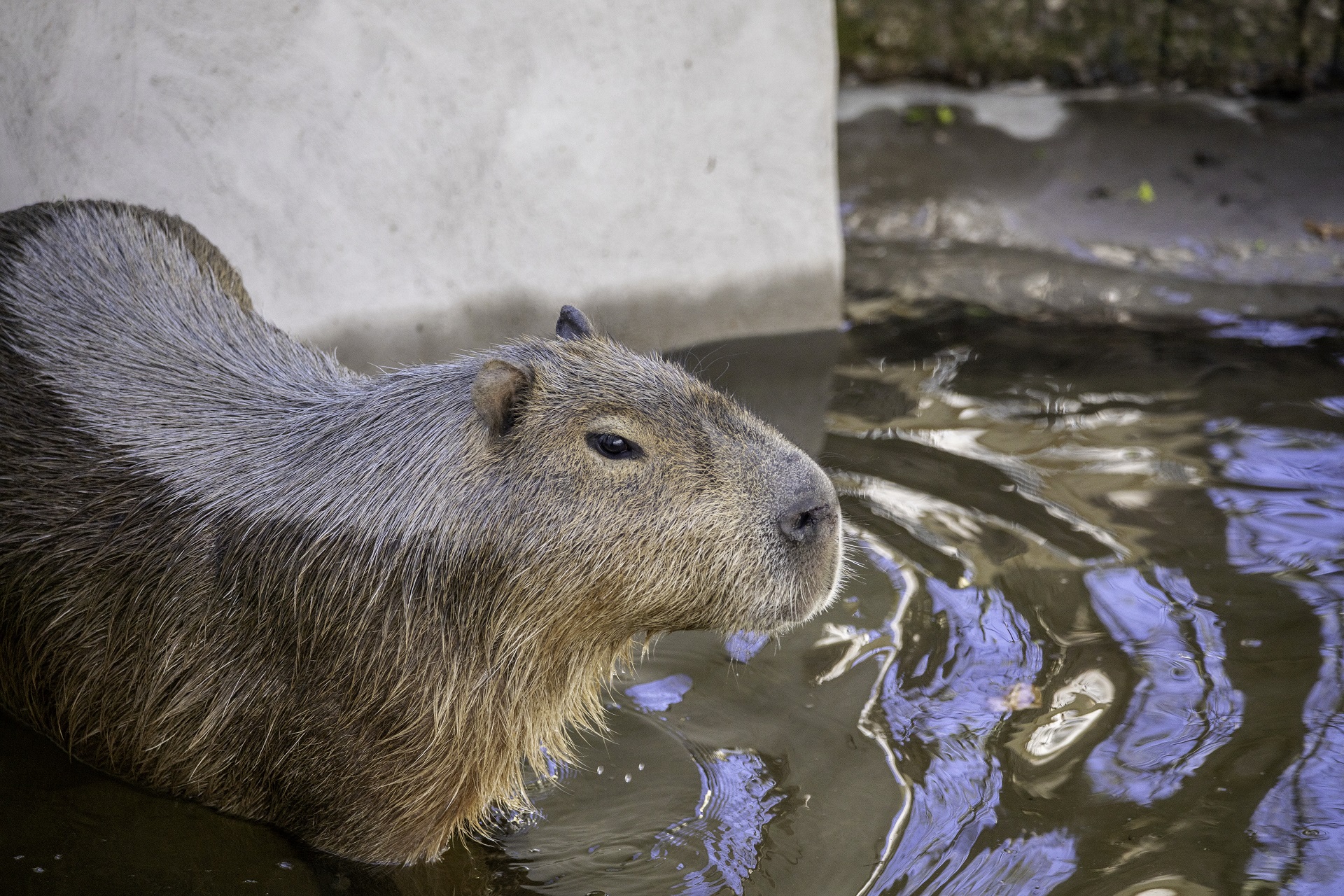
Capybaras are very calm animals. They are famous for staying relaxed, even when other animals bother them in the wild.
They are the world’s largest rodents and come from Central and South America, where they live near rivers, lakes, marshes and wetlands.
Capybaras are great swimmers! They can stay underwater for up to five minutes, using their webbed feet to move through the water. Their eyes, ears and nose sit high on their heads, so they can see, hear and breathe while mostly underwater.
Population

Stable
Diet

Herbivore
Habitat

Grasslands
Fact file
Capybara are the largest rodents in the world. At 35-65kg they're around 10,000 to 20,000 times heavier than the smallest rodent, the dwarf three-toed jerboa!
To evade predators like jaguars and anacondas they can swim like furry submarines, with only their nostrils peeking out above the water
Despite being small and stocky, capybaras can reach running speeds of up to 22 miles per hour
Latest capybara news
View all news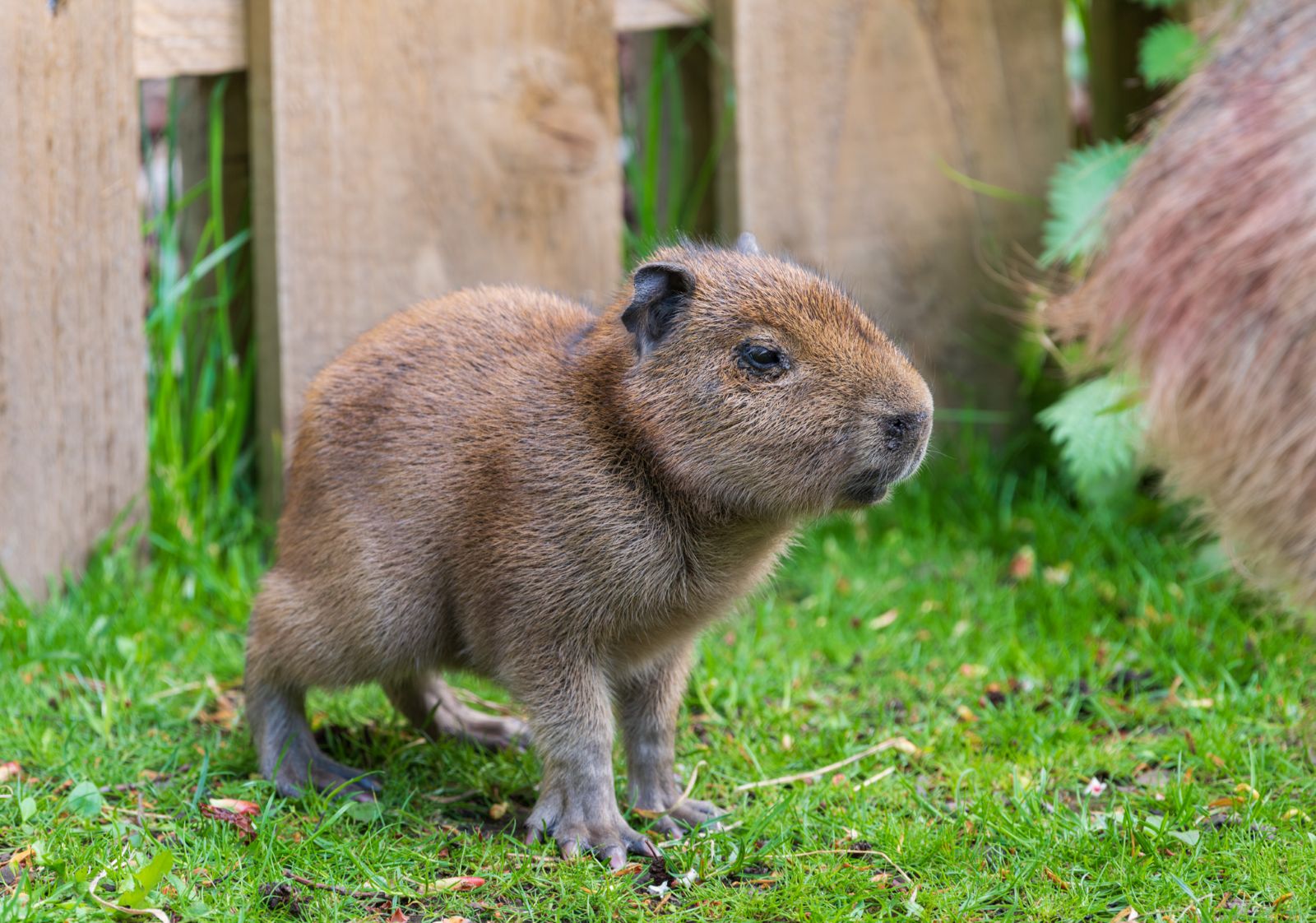
29 May 2026
Two minute read
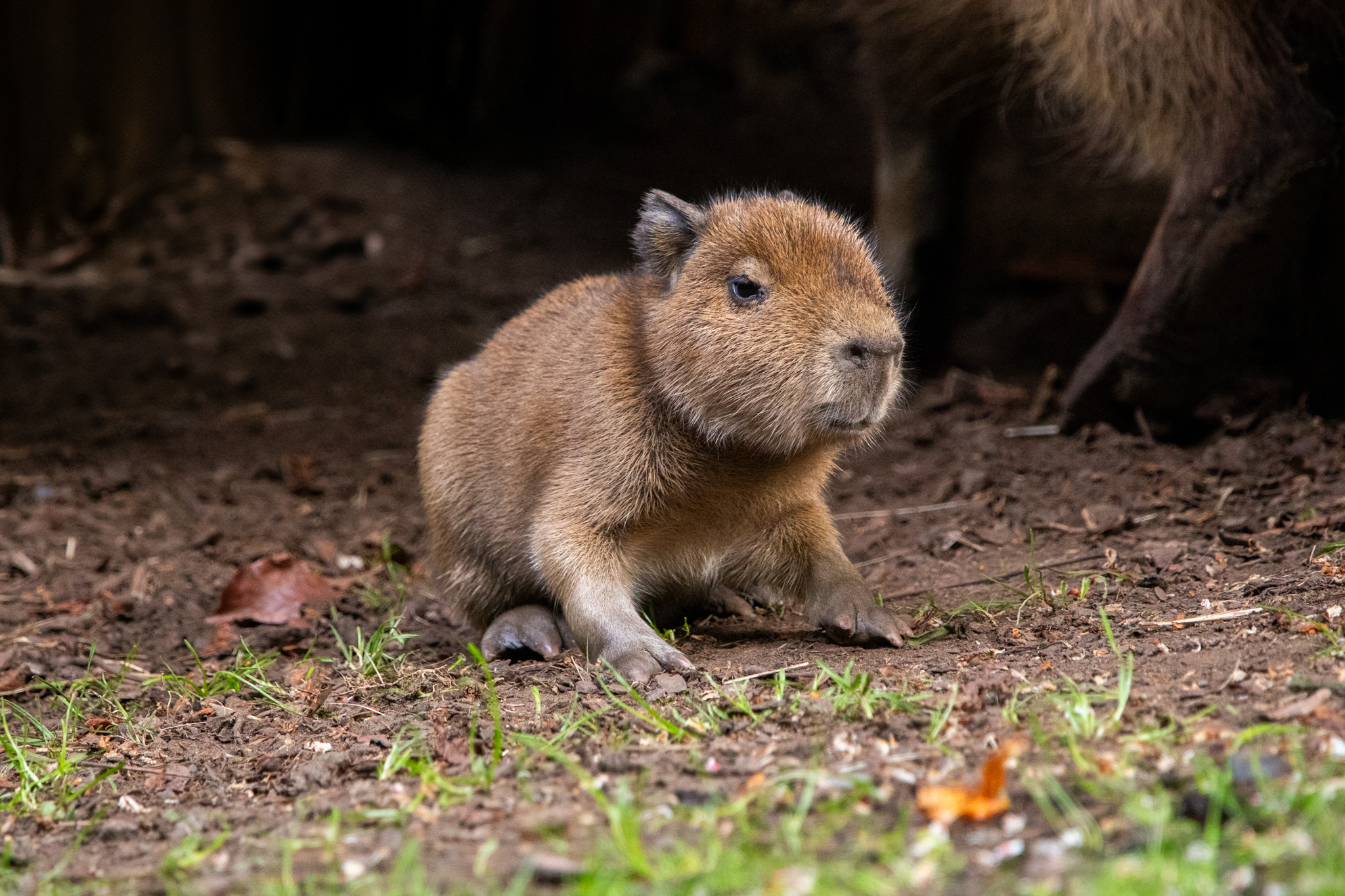
08 May 2026
Two minute read
03 Apr 2025
Two minute read
How we're helping
Like all the animals in our care, our capybaras are an amazing ambassador for their relatives in the wild and helps hundreds of thousands of people connect with nature every year. They encourage visitors to learn about the threats facing wildlife and the action they can take to help create a world where nature is protected, valued and loved.
As a wildlife conservation charity, we care for the animals here at the zoo and work to protect species at risk around the world. From providing expertise in genetics and veterinary health, to protecting wild places with local conservation partners, and even restoring threatened species to the wild, we are active where we are needed most.
Find out more about RZSS conservation