Asian small clawed otter
Aonyx cinerea
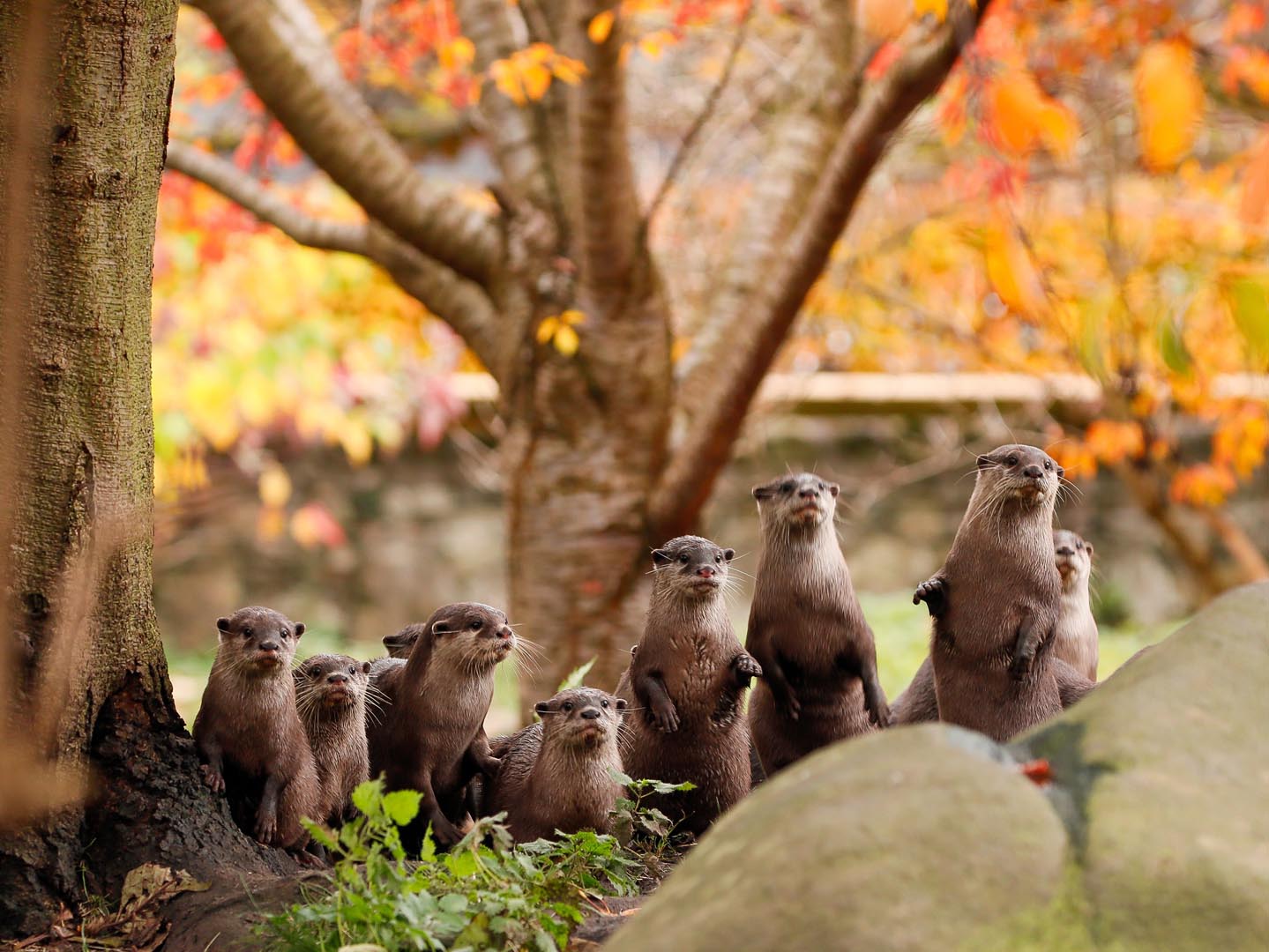
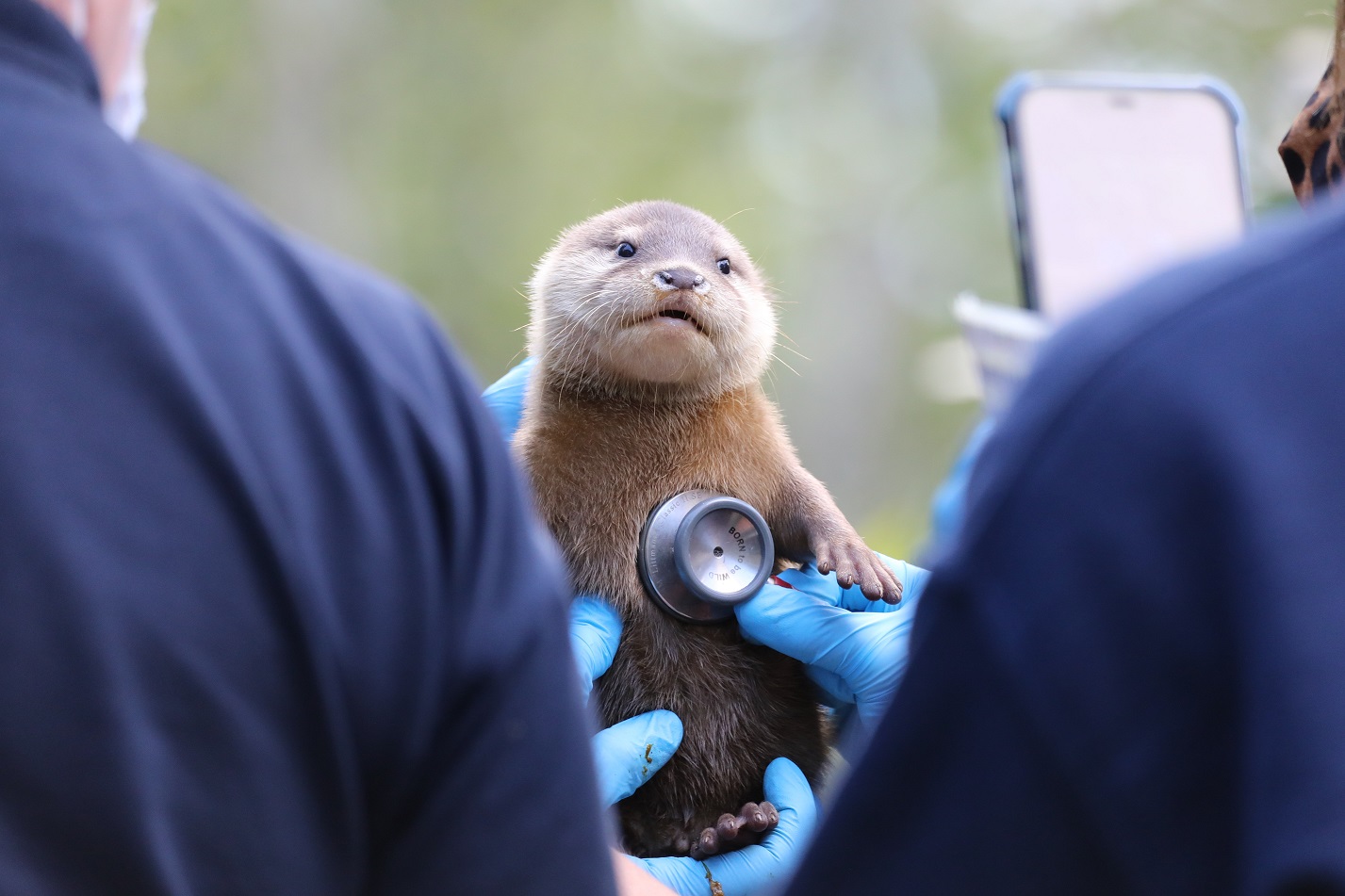
We have a family of Asian small-clawed otters here at Edinburgh Zoo – Barry and Luna, and their pups.
Barry was born at the Peak Wildlife Project in August 2017, while Luna was born at Newquay Zoo in February 2019. Both arrived here in Edinburgh in July 2020. The pair welcomed three pups in 2021 and a further six in May 2023.
Even though they are the world’s smallest otter species, they have big personalities - and an even bigger appetite! They eat one third of their body weight every single day.
As their name suggests, they have short claws that reach no further than their digits. These allow them to use their paws to feel for food in muddy banks.
Asian small-clawed otters are very clever and quick. They catch their food using their paws, which are partly webbed like little gloves.
They are classified as a Vulnerable species due to the increasing threat of habitat destruction, waterway pollution and the fur trade.
Population

Decreasing
Diet

Carnivore
Habitat

Rivers and wetlands
Fact file
Unlike other otters, Asian small-clawed otters have feet that are only partly webbed which gives them more dexterous paws
They form monogamous pairs for life
Asian small-clawed otters generally stand about two foot tall, with around half of that height being their tail
They mainly eat crabs and shellfish, but they will also eat molluscs such as snails, small fish and insects, and occasionally amphibians, snakes and small mammals
Latest Asian small clawed otter news
View all news
03 Jul 2024
One minute read
.jpg)
How we're helping
Like all the animals in our care our Asian small-clawed otters are amazing ambassadors for their relatives in the wild and help hundreds of thousands of people connect with nature every year. They encourage visitors to learn about the threats facing wildlife and the action they can take to help create a world where nature is protected, valued and loved.
As a wildlife conservation charity, we care for the animals here at the zoo and work to protect species at risk around the world. From providing expertise in genetics and veterinary health, to protecting wild places with local conservation partners, and even restoring threatened species to the wild, we are active where we are needed most.
Find out more about RZSS conservation